

How to Ease Jaw Pain After Tooth Removal
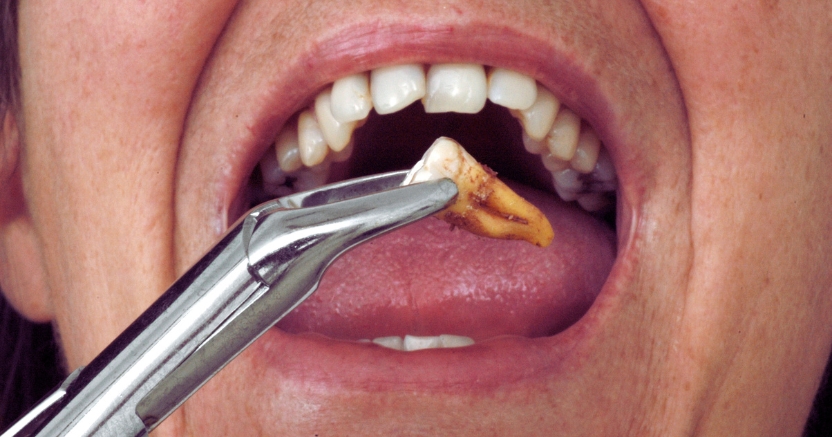 Jaw pain after tooth removal is a common experience and can be uncomfortable for several days. Understanding how to manage this discomfort can help individuals recover more comfortably and maintain oral health. This guide explores effective strategies to ease jaw pain and support healing after tooth extraction.
Understanding Jaw Pain After Tooth Removal
Jaw pain after Tooth Removal Dubai often occurs due to the trauma experienced by the jawbone and surrounding tissues during extraction. The body responds to this trauma with inflammation, which can cause soreness and difficulty opening the mouth. The intensity of pain may vary depending on the complexity of the extraction, the location of the tooth, and the individual’s overall oral health.
Managing Jaw Discomfort
Managing jaw discomfort effectively requires a combination of rest, gentle movement, and supportive care. Keeping the jaw muscles relaxed can reduce tension and improve comfort. Avoiding strenuous activities and hard foods helps prevent further irritation. Applying cold or warm compresses at intervals can also support pain relief and reduce swelling.
Cold Compresses for the First Day
Applying a cold compress to the jaw area during the first 24 hours after tooth removal can help reduce swelling and numb the pain. Cold compresses constrict blood vessels and limit inflammation. It is recommended to apply the compress for short periods, typically 15 to 20 minutes, with breaks in between to prevent skin irritation.
Warm Compresses After Initial Swelling
After the first day, warm compresses can be more beneficial. Warmth helps relax tense jaw muscles and improves blood circulation, which supports healing. Applying a warm compress for similar intervals can relieve stiffness and make it easier to open and close the mouth comfortably.
Gentle Jaw Exercises
Performing gentle jaw exercises can help maintain mobility and reduce stiffness. Slowly opening and closing the mouth or moving the jaw from side to side within a pain-free range encourages circulation and prevents the muscles from becoming tight. Exercises should be gradual and performed several times a day to support recovery.
Maintaining Proper Rest
Adequate rest is essential for the body to heal after tooth removal. Keeping the head elevated during sleep can reduce swelling and minimize discomfort in the jaw. Resting also helps prevent accidental movements that could strain the jaw and aggravate pain.
Soft Diet and Hydration
Eating a soft diet is crucial in reducing jaw strain. Consuming foods that do not require heavy chewing allows the jaw to rest while still providing necessary nutrition. Staying hydrated is equally important, as fluids support overall healing and prevent dryness in the oral tissues, which can contribute to discomfort.
Avoiding Excessive Jaw Movement
Excessive talking, chewing, or yawning can place stress on the jaw and delay recovery. Limiting these activities during the first few days post-extraction allows the jaw muscles to heal properly. Even simple actions like opening the mouth wide should be done cautiously to prevent pain flare-ups.
Cold and Warm Compress Rotation
Rotating between cold and warm compresses can provide balanced relief. Cold compresses are more effective in the immediate post-extraction period, while warm compresses aid in reducing muscle tension in the following days. Alternating these approaches based on comfort levels can optimize pain management.
Managing Swelling Through Positioning
Sleeping or resting in a slightly elevated position helps reduce swelling in the jaw area. Elevation promotes fluid drainage and reduces pressure on the extraction site. This positioning also lessens discomfort and makes jaw movement easier during the healing process.
Recognizing When to Seek Guidance
While jaw pain is expected after tooth removal, sudden increases in pain or unusual swelling may indicate complications. Paying attention to changes in pain patterns, prolonged stiffness, or difficulty opening the mouth beyond a normal range can help identify when additional support is needed.
Supporting Overall Healing
Supporting overall healing goes beyond targeting jaw pain. Maintaining good oral hygiene without disturbing the extraction site is important. Gentle rinsing with a recommended solution can keep the area clean, and avoiding hard or crunchy foods protects the extraction site from irritation. Proper care ensures that the jaw and surrounding tissues recover efficiently.
Patience and Gradual Recovery
Recovery after tooth removal requires patience. Jaw pain usually improves gradually over several days as inflammation decreases and tissues heal. Being consistent with care routines such as gentle exercises, compresses, and rest contributes to a smoother and more comfortable recovery.
FAQs
How long does jaw pain last after tooth removal?
Jaw pain typically peaks within the first day or two and gradually decreases over the following week. The intensity depends on the complexity of the extraction and individual healing response.
Can gentle movement of the jaw help?
Yes, gentle jaw exercises can help prevent stiffness and promote circulation. Movements should be slow and within a pain-free range to avoid aggravating the area.
Are compresses effective for pain relief?
Cold compresses reduce swelling and numb pain in the first 24 hours, while warm compresses relax muscles and improve circulation after initial swelling.
Should jaw rest be prioritized?
Resting the jaw is important, especially in the first few days. Avoiding hard foods, excessive talking, and wide mouth movements supports healing and reduces discomfort.
How can swelling be minimized?
Keeping the head elevated during rest, applying cold compresses initially, and avoiding strain on the jaw all contribute to minimizing swelling and promoting comfort.
Is patience important during recovery?
Yes, gradual recovery is natural. Following supportive care strategies consistently helps ensure the jaw heals properly and discomfort diminishes over time.
Jaw pain after Tooth Removal in Dubai is a temporary condition that can be managed effectively with proper care. By combining gentle exercises, compresses, rest, and careful eating habits, individuals can ease discomfort and support a smooth recovery process. Consistency and attention to the jaw’s needs are key to returning to normal comfort levels.